







Cotton: A Complete Guide to the Cotton Crop
 Apr 11, 2026
 by Pankaj Sihag



Cotton: A Complete Guide to the Cotton Crop
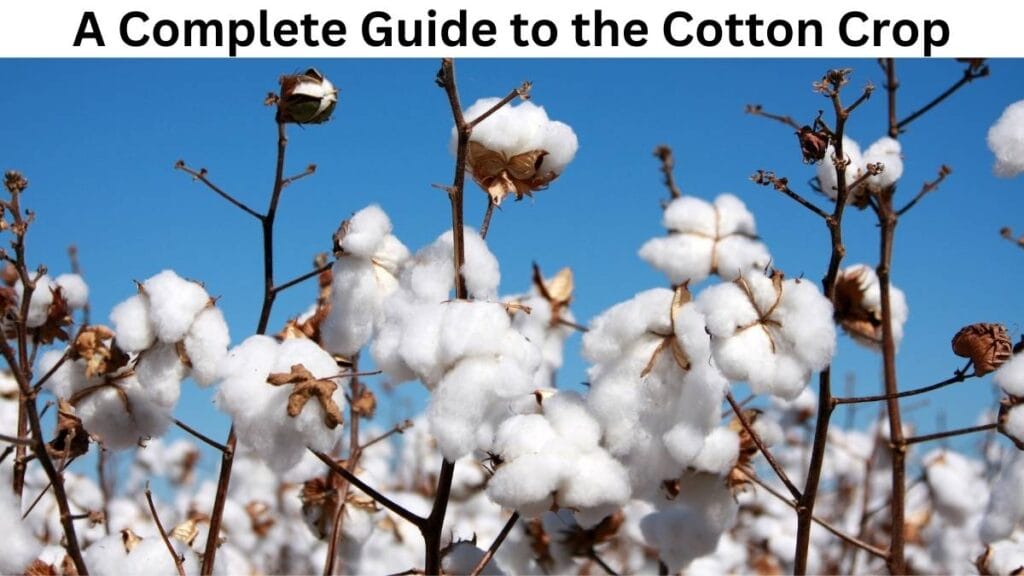
Cotton, a soft and fluffy fiber that grows in a protective case around the seeds of the cotton plant, has been an essential agricultural crop for centuries.
Its history dates back thousands of years, with evidence of cotton cultivation originating in India and Peru around 3,000 BCE. As civilizations gained sophistication, cotton became a vital commodity in trade, significantly impacting various economies and cultures.
The introduction of cotton to Europe during the Middle Ages marked a turning point, leading to the establishment of influential trade networks that shaped the global economy.
 Table of Contents
The Life Cycle of Cotton
The life cycle of cotton, a vital agricultural crop, encompasses several distinct stages that contribute to its growth and eventual yield. This process begins with the planting of cotton seeds, typically in well-drained soils that receive full sunlight.
The optimal planting time varies depending on the geographical location but generally occurs in warm conditions when the soil temperature reaches around 60°F (15.5°C) or higher. The seeds are sown about one to two inches deep, ensuring they receive the necessary moisture for successful germination.
Following seed planting, the first stage is germination, where seeds absorb moisture and begin to sprout. This initial phase usually takes about five to ten days under ideal environmental conditions.
As the seeds germinate, the cotyledons, or first leaves, emerge, signifying the start of seedling growth. During this phase, proper irrigation and management of soil nutrition are crucial. Cotton plants thrive in fertile environments enriched with nitrogen, phosphorus, and potassium.
Once the seedling has established itself—typically within three to four weeks—it enters the flowering stage. This phase is marked by the production of several flower buds, known as squares, which will subsequently open into beautiful white blossoms.
Flowering stage lasts approximately six weeks, and pollination occurs during this time, leading to the next vital step in the life cycle.The final stage is the production of cotton bolls, which occur about 60 to 90 days after flowering.
Bolls are the ripened ovary of the flower and contain the valuable cotton fibers. For optimal yield and fiber quality, careful management of temperature, rainfall, and pest control is essential throughout this stage.
The proper care of cotton crops during each phase significantly impacts the overall success and yield of this important fiber plant.
Cotton Cultivation
Today, cotton remains one of the most important crops worldwide, ranking among the top natural fibers used in the textile industry.
Its versatility allows it to be processed into a multitude of products, from clothing to household textiles, and even in industrial applications such as medical supplies and environmentally friendly packaging.
The substantial demand for cotton underlines its significance not only as a fiber but also as a key player in agricultural markets.
The impact of cotton cultivation extends beyond fibers and fabrics; it involves substantial socio-economic elements, including employment opportunities in rural areas where cotton is farmed.
Millions of farmers globally depend on cotton for their livelihoods, highlighting its role in poverty alleviation and economic development. Furthermore, advances in agricultural practices and genetically modified cotton varieties have optimized yields, thus reinforcing cotton's global significance as a major crop.
As we explore cotton further, it is crucial to appreciate its historical significance and modern economic impact, particularly within the textile industry, where it continues to be a staple of production.
Understanding cotton's journey from fields to fabrics provides a comprehensive view of its role in various sectors and its enduring legacy in human history.
Cotton Varieties
Cotton is a versatile crop with a diversity of varieties cultivated across the globe, each possessing unique characteristics that cater to different climatic conditions and market demands.
The two most predominant types are upland cotton and Pima cotton. Upland cotton, representing approximately 90% of worldwide cotton production, is known for its adaptability.
It thrives in various climates and features medium-length fibers, making it suitable for a wide range of apparel and textiles. This resilience allows it to grow in areas with lower soil quality and less water availability, making it a preferred choice among farmers in regions such as the United States and India.
Pima cotton, on the other hand, is a premium variety recognized for its superior softness and strength. Pima’s fibers are longer and finer than those of upland cotton, resulting in a luxurious textile that is highly coveted in high-end garments and home furnishings.
Unlike upland cotton, Pima requires specific growing conditions, typically flourishing in regions with abundant sunlight and nutrient-rich soil. Its primary cultivation areas include the Southwestern United States, parts of Australia, and Peru.
There are also other varieties worth mentioning, such as Egyptian cotton, which is highly esteemed for its long, silky fibers that are ideal for luxury bedding and fine textiles.
Egyptian cotton is cultivated primarily in the Nile River Valley, where the climate and soil conditions are ideal for premium fiber production.
Additionally, organic cotton has gained traction due to increasing consumer demand for sustainable products, offering a biodegradable option free from synthetic fertilizers and pesticides.
Understanding the characteristics and requirements of various cotton types will help growers choose the most suitable variety for their specific needs, ensuring both optimal yield and market value.
Growing Conditions and Best Practices
Cotton, a staple in the agricultural sector, requires specific growing conditions for optimal yield. Primarily, cotton thrives in well-drained soils with good fertility.
Sandy loam or clay soils, rich in organic matter, usually provide the best environment for cotton cultivation. The ideal soil pH ranges from 5.5 to 7.0, which supports nutrient uptake and overall plant health.
Soil preparation is crucial; tilling and proper aeration enhance root development and prepare the land for planting.
Temperature is another critical factor influencing cotton growth. Generally, cotton plants prefer warm climates, with ideal temperatures ranging from 70°F to 95°F (21°C to 35°C).
Frost and extremely cold temperatures can damage cotton crops, hence, selecting the right planting date is essential to avoid unexpected weather conditions that can harm young plants.
During the growing season, maintaining consistent moisture levels is paramount. Cotton plants require approximately 20 to 30 inches of water throughout the season; thus, effective irrigation methods, such as drip irrigation, can help in maintaining adequate moisture while minimizing water waste.
Pest management plays a significant role in ensuring the health of cotton crops. Integrated Pest Management (IPM) is a recommended practice, combining biological control, habitat manipulation, and monitoring to manage pest populations sustainably.
Farmers should regularly scout their fields to detect early signs of pests and respond promptly. Additionally, cotton plants benefit from balanced fertilization, where soil nutrient levels are regularly tested to tailor nutrient applications accordingly. This not only enhances crop production but also helps prevent nutrient leaching into waterways.
Utilizing sustainable farming practices is also essential in reducing the environmental footprint of cotton farming. Crop rotation, cover cropping, and reduced chemical inputs are viable strategies that can enhance soil health and reduce pest pressure.
Through these methods, farmers can contribute to a more sustainable agricultural system while ensuring the continued productivity of cotton crops.
Pests and Diseases Affecting Cotton
Cotton crops, crucial for the textile industry, face numerous threats from pests and diseases that can significantly hinder their growth and productivity.
One of the most notorious pests is the aphid, which feeds on the sap of cotton plants, stunting their growth and causing leaves to curl.
The presence of aphids can also lead to further complications, such as the development of sooty mold, which weakens the cotton plants and reduces their photosynthetic capacity. Effective management of these pests is essential for maintaining crop health.
Another critical pest affecting cotton is the boll weevil, a small beetle that attacks the developing cotton bolls. Infestations can result in considerable crop losses, as the insects feed on the bolls, leading to premature drop and reduced fiber quality.
Symptoms of boll weevil infestations include holes in the bolls and a significant reduction in yield. Farmers often employ various control strategies, including the use of pheromone traps and insecticides, to monitor and manage these pests effectively.
In addition to insect pests, cotton plants are also susceptible to a range of diseases caused by fungi and bacteria. Fungal infections, such as cotton rust and root rot, can lead to severe declines in crop health.
Symptoms may manifest as yellowing leaves, poor growth, or wilting. Implementing crop rotation, selecting disease-resistant varieties, and practicing proper irrigation techniques can help mitigate these diseases.
Moreover, biological control methods, such as the introduction of beneficial microorganisms, have shown promise in managing the diseases affecting cotton crops.
In conclusion, understanding the pests and diseases that threaten cotton is crucial for effective crop management. By employing a combination of chemical and biological control strategies, farmers can protect their cotton crops and ensure optimal yields.
Harvesting and Processing Cotton
The journey of cotton from field to fabric involves meticulous harvesting and processing methods. The harvesting of cotton can be accomplished through both manual and mechanical means.
Traditionally, hand-picking was the method of choice, where laborers would individually harvest cotton bolls for better quality and selection. However, with advancements in technology, mechanical cotton pickers have become increasingly prevalent in modern agriculture. These machines efficiently harvest cotton, significantly reducing labor costs and time while increasing yield rates.
Once cotton is harvested, the next critical step is ginning. Ginning refers to the process where the cotton fibers are separated from the cotton seeds and debris. This is primarily carried out using mechanical gin machines that utilize rotating blades and air currents to isolate the fibers.
The quality of the ginning process directly influences the purity and quality of the cotton fibers, as contaminants can adversely affect the end product. High-quality ginning results in cleaner fibers that are essential for textile manufacturing, making this stage vital in the cotton production line.
Following ginning, the cotton fibers are typically compressed into bales. Baling is an essential step in facilitating transportation and storage. The bales are wrapped tightly and marked to ensure proper identification and tracking throughout the supply chain.
These bales are then transported to textile mills, where they will undergo further processing to be spun into yarn. This transformation from raw fiber to finished cotton products is not only pivotal for the textile industry but also highlights the significance of cotton as a commodity in global markets.
In conclusion, understanding the processes involved in harvesting and processing cotton enhances appreciation for the crop's journey from the field to fabric. Each step, from picking to ginning and baling, plays a vital role in ensuring quality cotton fibers are produced for various uses in the textile industry.
Economic Impact of Cotton Production
Cotton, often referred to as “white gold,” plays a crucial role in the global economy, contributing significantly to both local and international markets. This versatile crop is not only a staple in the textile industry but also supports employment opportunities worldwide.
Millions of farmers are engaged in cotton cultivation, while a vast number of workers participate in various stages of its supply chain—from harvesting to processing and manufacturing.
This production process is vital for creating jobs in both rural and urban settings, bolstering the livelihoods of families who depend on cotton for their sustenance.
The impact of cotton extends beyond direct employment; it also influences trade dynamics. Countries that are major producers of cotton often rely heavily on its exportation as a critical source of national income.
Nations such as the United States, China, and India are among the leading exporters, utilizing cotton as a key driver of economic growth. The trade in cotton fibers supports related industries, including fashion, home textiles, and industrial applications, amplifying its overall significance in the global marketplace.
However, the market for cotton is not without its challenges. Fluctuations in cotton prices can have profound implications for economies reliant on this crop. Variables such as climate change, pest infestations, and varying consumer demand can lead to instability in prices, which in turn affects farmers' incomes and the economic health of nations dependent on cotton exportation.
These price changes can result in either booming profits or devastating losses for those involved in the cotton industry, making it essential for stakeholders to adapt to the unpredictable nature of the market.
In summary, the economic significance of cotton production is far-reaching, facilitating employment, trade, and industry development. The challenges faced in this sector emphasize the need for sustainable practices to ensure the continued viability of cotton as a cornerstone of the global economy.
Environmental Aspects of Cotton Farming
The cultivation of cotton, a significant global crop, raises various environmental concerns that merit attention. One of the most pressing issues is water usage.
Cotton is a water-intensive crop, often requiring substantial irrigation in regions where rainfall is insufficient. This demand can lead to depletion of local water sources, affecting both ecosystems and communities dependent on these resources.
To mitigate this challenge, sustainable farming initiatives, such as drip irrigation technologies and rainwater harvesting systems, are being encouraged. These methods help to conserve water while maintaining cotton yield.
Pesticide application is another critical environmental factor associated with cotton farming. The use of chemical pesticides can lead to detrimental effects on biodiversity, soil health, and human health.
In many instances, excessive pesticide use results in pollution of waterways, which can harm aquatic life and disrupt local ecological systems. To address these concerns, integrated pest management (IPM) strategies are increasingly being adopted. These approaches promote the use of biological pest control methods and the cultivation of pest-resistant cotton varieties, reducing reliance on harmful chemicals.
Land degradation is further compounded by traditional cotton farming practices, which can result in soil erosion and nutrient depletion. Continuous cropping without adequate soil management leads to diminished land productivity over time.
Encouraging practices such as crop rotation and cover cropping can enhance soil health and sustainability in cotton production. Moreover, certifying cotton as organic or sustainable can create market opportunities for farmers, ensuring that economic viability and environmental integrity go hand in hand.
In conclusion, addressing the environmental aspects of cotton farming through sustainable practices is essential for minimizing ecological impacts. By investing in innovative techniques and promoting responsible management, the cotton industry can contribute to long-term environmental health while supporting the livelihoods of farmers worldwide.
The Future of Cotton Farming
The future of cotton farming is poised for significant transformation due to various innovations and emerging trends. One of the leading advancements is the development of genetically modified cotton varieties.
These genetically modified organisms (GMOs) are engineered to be resistant to pests and diseases, significantly reducing the reliance on chemical pesticides.
This not only lowers production costs but also addresses environmental concerns associated with excessive chemical use. Moreover, GM cotton varieties are often designed to withstand harsh climate conditions, making them more resilient amid the shifting weather patterns induced by climate change.
Precision agriculture is another promising trend influencing the future of cotton cultivation. This approach incorporates technology such as drones, sensors, and data analytics to monitor crop health and optimize resource use.
By analyzing soil moisture levels, nutrient requirements, and pest populations, farmers can make informed decisions about when to irrigate, fertilize, or apply pesticides. This not only enhances yield but also minimizes environmental impacts, advancing sustainable farming practices in the cotton industry.
In tandem with these technological advancements, there is a growing trend towards organic cotton farming. As consumer preferences shift towards environmentally friendly and sustainable products, organic cotton has gained popularity.
This farming method emphasizes the use of natural fertilizers and pest control methods, aligning with the values of eco-conscious consumers. However, organic cotton farming presents its own challenges, including lower yields and the potential for higher production costs, which farmers must navigate to remain competitive.
Despite these innovations, the cotton industry faces significant challenges, particularly from climate change. Extreme weather events and temperature fluctuations threaten production stability.
Additionally, the increasing demand for sustainable practices poses a challenge for traditional cotton farming methods. As consumer preferences evolve, cotton farmers must adapt to remain relevant in the market.
The future of cotton farming will likely require a balanced approach that embraces innovation while addressing environmental sustainability.
Related Blogs

Sep 12, 2026
by Pankaj Sihag
Sep 02, 2026
by Pankaj Sihag
Aug 27, 2026
by Pankaj Sihag
Apr 08, 2026
by Pankaj Sihag