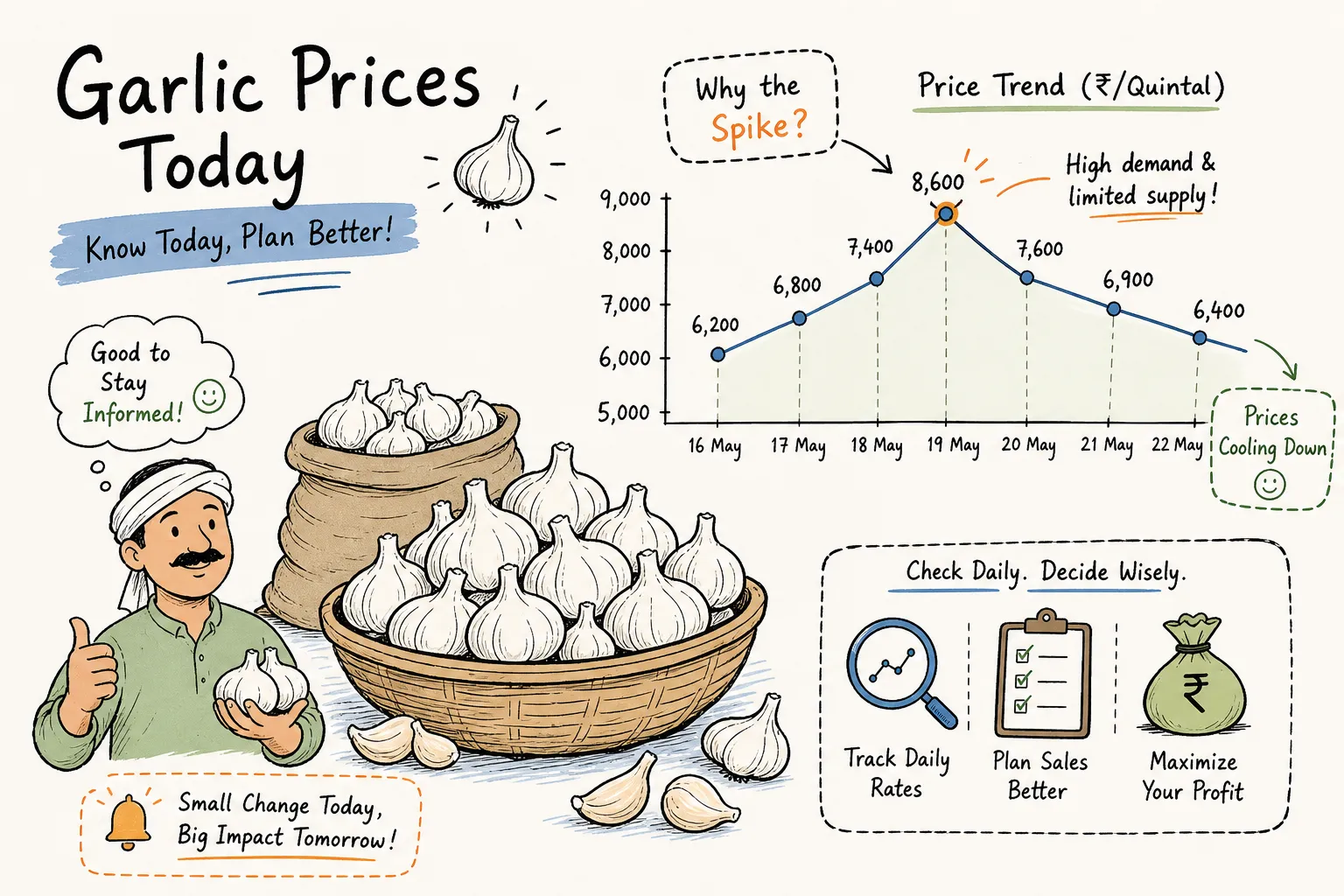






Lahsun Khane Ke Fayde: 10 Health Benefits of Garlic
 Oct 02, 2026
 by Pankaj Sihag



Lahsun Khane Ke Fayde: 10 Health Benefits of Garlic
- Active compound: Allicin, formed only after crushing or chopping, not present in intact cloves
- Safe daily dose: 1, 2 raw cloves (2, 5 g) for healthy adults
- Best-supported benefit: Modest blood pressure reduction in people with hypertension
- Empty stomach claim: No scientific basis; may cause GI discomfort in sensitive individuals
- Key caution: Interacts with blood thinners, diabetes medicines, and BP drugs
Lahsun (garlic) sits in almost every Indian kitchen. From dal tadka to achaar, from rasam to the thick paste base of a North Indian sabzi, it is practically unavoidable. And alongside its culinary role, garlic carries a reputation as a health food passed down through generations. Your neighbour swears by two raw cloves every morning. A health influencer recommends eating it on an empty stomach. A family elder insists it cures everything from high BP to bad cholesterol.
The honest question is: how much of this is real, and how much is simply tradition dressed up as medicine? The answer is more nuanced than either the enthusiasts or the sceptics admit. Understanding the lahsun khane ke fayde, the evidence-based health benefits of eating garlic, requires separating what the research actually supports from what has been embellished by popular health culture. This article does exactly that: it gives you specific data from recent clinical research and tells you precisely how to eat garlic to get the most from it.
One practical note for lahsun growers: rising consumer awareness of garlic's health benefits has kept domestic demand consistently strong across Indian mandis. For kisaans farming lahsun in Rajasthan, Madhya Pradesh, and Gujarat, understanding market timing matters as much as understanding the crop itself. KhetiKisaan tracks lahsun mandi bhav across major APMC markets, useful context we return to later in this article.
 Table of Contents
- What makes lahsun so powerful: the allicin connection
- Lahsun khane ke fayde for your heart: blood pressure and cholesterol
- Garlic for immunity and inflammation: sorting fact from hype
- Blood sugar, antioxidants, and other researched garlic benefits
- How and when to eat garlic for the best results
- How much garlic is safe to eat in a day
- Garlic side effects and drug interactions you must know
- Lahsun ki kheti and mandi demand: what garlic growers need to track
- Final word: lahsun khane ke fayde, what the evidence actually says
- FAQs
What makes lahsun so powerful: the allicin connection
Before you can understand any of the health claims around garlic, you need to understand one compound: allicin. It is a key bioactive compound responsible for much of garlic's researched activity, and it does not actually exist in a raw, uncut clove. That detail changes how you should be using garlic entirely.
How crushing or chopping activates allicin
Inside an intact garlic clove, two substances are stored separately: alliin (a sulphur-containing amino acid) and alliinase (an enzyme). As long as the clove stays whole, these two never meet, and no allicin is produced. The moment you crush, chop, or chew the clove, the cell walls break open, alliinase converts alliin into allicin, and that distinctive sharp smell tells you the reaction has happened.
A properly crushed fresh clove yields roughly 2.5, 4.5 mg of allicin per gram of garlic, meaning a medium clove can provide approximately 7, 10 mg of allicin. Crushing produces more allicin than rough chopping because it breaks more cells.
Does cooking destroy garlic's benefits?
Heat inactivates alliinase. So if you drop a whole, unbroken clove directly into hot oil or boiling water, the enzyme is destroyed before it can convert alliin into allicin, and you get very little of the compound you are looking for. The practical workaround is straightforward: crush or finely chop your garlic first, then let it rest for 5, 10 minutes before it touches heat. That resting period allows allicin formation to complete before the heat has any effect on the enzyme.
Once allicin does form, heat converts it into other sulphur compounds, diallyl sulphides, ajoene, polysulphides, that retain some biological activity, even if they are not identical to allicin itself. The key rule: always crush or chop first, rest for 5, 10 minutes, then cook.
Lahsun khane ke fayde for your heart: blood pressure and cholesterol
The cardiovascular benefits of garlic are the most thoroughly studied and the best supported by clinical evidence. They are not dramatic, but they are real, and worth understanding accurately.
Blood pressure: what a 2025 meta-analysis actually found
A 2025 meta-analysis found that garlic reduced systolic blood pressure by approximately 4.2 mmHg and diastolic by 3.1 mmHg across a broad pool of study participants. In people specifically diagnosed with hypertension, a separate 2025 analysis reported larger reductions, around 8.1 mmHg systolic and 4.3 mmHg diastolic. These are not trivial numbers for a food, but they are also not a replacement for prescribed antihypertensive medicine. For people with normal blood pressure, the effect is considerably less consistent.
Garlic works best as a dietary complement to BP management, not a standalone treatment. The effect appears more pronounced in people aged 50, 60, those with obesity, and those with elevated baseline diastolic pressure.
Cholesterol and LDL: modest but real reductions
Garlic powder preparations have shown average reductions of about 15.8 mg/dL in total cholesterol and 8.1 mg/dL in LDL cholesterol in people who started with elevated levels. A separate meta-analysis found reductions of roughly 10.2 mg/dL in total cholesterol and 5.8 mg/dL in triglycerides. There is, however, an important limitation: earlier pooled evidence found improvements at one to three months but no significant total-cholesterol benefit at six months, suggesting the effect may not persist long-term.
To put this in perspective, statins routinely achieve LDL reductions of 30, 50%; garlic cannot produce anything close to that. It is a useful dietary addition for people managing mild dyslipidaemia, not a cholesterol treatment.
Garlic for immunity and inflammation: sorting fact from hype
This is where the claims around garlic get loudest and where the evidence gets thinnest. Garlic-for-immunity is one of the most searched topics, and one of the most misrepresented.
What clinical evidence actually shows about garlic and immunity
Human studies do confirm that garlic can influence immune markers, including TNF-α and other cytokines, indicating some immunomodulatory activity. The problem is that influencing these markers in a lab setting does not reliably translate into clinically meaningful outcomes. Trials have not consistently demonstrated that eating garlic reduces how often you get sick, shortens the duration of colds, or protects against infection in healthy adults.
Garlic is a nutritious food with possible immune-supporting effects. It is not an immune treatment, and it cannot substitute for vaccines or prescribed medicines. Approach any claim of "immunity boosting" with scepticism unless it comes with solid human trial data.
Anti-inflammatory effects: what the research supports
Organosulphur compounds in garlic have demonstrated anti-inflammatory properties in cell and animal studies. Human trial evidence is more limited but points in the same direction. The reasonable takeaway is to include garlic as one component of a broadly anti-inflammatory diet, alongside haldi (turmeric), adrak (ginger), and dark leafy vegetables, rather than treating it as a standalone remedy.
No single food reverses systemic inflammation, but a consistent pattern of eating the right foods does add up over time. That approach is both honest and practical.
Blood sugar, antioxidants, and other researched garlic benefits
Beyond cardiovascular effects, garlic has been studied for several other health outcomes. Here is what the evidence actually supports.
Garlic, blood sugar, and diabetes management
Some clinical evidence suggests garlic may enhance the glucose-lowering effect of insulin, metformin, and sulphonylureas. This is simultaneously a potential benefit and a real precaution: if you are already on diabetes medication and you start eating large amounts of garlic daily, your blood glucose could drop lower than intended. Diabetics who want to include garlic regularly should monitor their blood glucose more closely, especially when first increasing intake, and inform their doctor. Culinary amounts, one to two cloves a day, are unlikely to cause a dramatic effect, but awareness matters.
Antioxidant, antimicrobial, and other researched benefits
Garlic's sulphur compounds act as antioxidants, helping neutralise free radicals that contribute to cellular ageing and chronic disease development. This antioxidant activity is well-documented in laboratory studies and is one reason garlic has traditionally been viewed as a protective food. On the antimicrobial side, allicin has demonstrated activity against several bacteria and fungi in laboratory settings, though real-world clinical use for treating active infections is limited. Garlic is a supportive food in this context, not an antibiotic substitute.
A few other areas of emerging evidence are worth noting. Some studies have found a possible bone health benefit in postmenopausal women. Garlic's prebiotic effect on gut bacteria may support digestive health over time. Liver-protective effects have also been investigated, largely attributed to garlic's antioxidant properties. These remain preliminary findings rather than established medical facts, but they add to the overall picture of garlic as a genuinely functional food.
How and when to eat garlic for the best results
This is where a lot of popular advice goes wrong. People spend too much time worrying about timing and not enough time on preparation, which is where the real difference lies.
Raw garlic on an empty stomach: does it actually work better?
No. There is no scientific evidence that eating raw garlic on an empty stomach delivers additional benefits compared to eating it with food. The claim has circulated widely, particularly online and in WhatsApp health messages, but it has no well-established human trial basis. What actually matters is how you prepare the garlic: crushing or chopping activates allicin, and that preparation step determines how much bioactive compound you get. Timing has not been shown to meaningfully change garlic's cardiovascular or other effects.
For people with acidity, gastritis, or a sensitive stomach, raw garlic without food often causes heartburn, nausea, bloating, and abdominal discomfort. Eating it as part of a meal is better tolerated and equally effective. If raw garlic on an empty stomach causes you discomfort, stop, there is no scientific reason to push through it.
Simple ways to include garlic in your daily Indian diet
- Crush 1, 2 cloves, let them rest for 5, 10 minutes, then add to dal tadka, sabzi, or chutney
- Finely chop raw garlic and stir into raita or a salad dressing for a no-heat option
- Mix chopped garlic into roti dough or paratha stuffing for a milder flavour
- Avoid boiling whole, unbroken cloves if you want maximum allicin, always crush or chop first
- For raw consumption, one medium clove mixed into food is easier on the stomach than swallowing a whole clove alone
How much garlic is safe to eat in a day
There is no officially established recommended daily allowance or upper intake limit for garlic. The effective dose also depends on the form: raw garlic, garlic powder, aged garlic extract, and supplements all have different allicin profiles and absorption characteristics.
Recommended daily amount for healthy adults
For most healthy adults, 1, 2 raw cloves per day, roughly 2, 5 g of fresh garlic, is the amount most commonly studied and generally well tolerated. If you are new to eating raw garlic regularly, start with one clove daily and see how your digestive system responds. Two cloves is a sensible food-based ceiling for most people. Going beyond that does not appear to add meaningful health benefit and increases the likelihood of GI discomfort and odour-related side effects.
Who should be extra cautious about daily garlic intake
Pregnant and breastfeeding women can include culinary amounts in their diet without concern, but should avoid garlic supplements or medicinal doses without consulting their doctor. Elderly adults are more susceptible to both GI irritation and drug interactions. Anyone with a history of acid reflux, gastritis, or irritable bowel syndrome may find that raw garlic worsens symptoms; cooked garlic in small amounts is usually better tolerated in these cases. The guiding principle: adjust your intake based on how your body responds, not based on what a health influencer recommends.
Garlic side effects and drug interactions you must know
Garlic is safe for most people at culinary amounts. But at higher doses, especially in supplement form, it carries real risks that are worth knowing before you increase your intake significantly.
Common side effects of eating too much garlic
Persistent breath and body odour are the most universal effects, and raw garlic is significantly more odour-producing than cooked. GI side effects, heartburn, abdominal pain, bloating, gas, and nausea, are common, especially when garlic is eaten on an empty stomach or in large quantities. One important warning that many people overlook: do not apply raw garlic directly to skin or mucous membranes, as it can cause severe chemical burns and skin irritation. Allergic reactions are possible, though uncommon; watch for rash, swelling, or any difficulty breathing.
Medicines and conditions that don't mix safely with high garlic intake
These interactions apply primarily to garlic supplements, extracts, and unusually large food amounts. Culinary quantities carry much lower risk, but it is still important to be aware of the following:
- Anticoagulants and antiplatelet drugs:Warfarin, apixaban, rivaroxaban, aspirin, clopidogrel, garlic amplifies bleeding risk with all of these. This is the most serious interaction. INR monitoring is advisable if you take warfarin and want to include significant amounts of garlic.
- Diabetes medicines: Garlic may lower blood glucose further, increasing hypoglycaemia risk with insulin, metformin, or sulphonylureas. Monitor blood sugar carefully.
- Blood pressure medicines: Combined use may drop BP lower than intended.
- HIV protease inhibitors: Garlic can reduce the effectiveness of saquinavir and possibly other drugs in this class.
- Transplant medicines: May reduce cyclosporine effectiveness and raise tacrolimus levels, potentially dangerous for transplant recipients.
Stop garlic supplements at least 1, 2 weeks before surgery, dental procedures, or delivery. Always inform your doctor about any regular garlic supplement use, particularly if you are on blood thinners, diabetes drugs, or BP medication. Seek urgent care for black stools, vomiting blood, unusual bruising, or uncontrolled bleeding.
Lahsun ki kheti and mandi demand: what garlic growers need to track
Garlic's health reputation has a direct commercial consequence. Growing consumer interest in functional foods and natural health products has kept domestic demand for lahsun strong and relatively stable across Indian APMC markets. Garlic is no longer just a kitchen staple; buyers sourcing for nutraceutical processing, health-food retail, and export markets are adding consistent demand alongside the traditional restaurant and household segment.
India produces approximately 3.42 million tonnes of garlic annually, with Madhya Pradesh alone accounting for nearly 63% of national output. Rajasthan follows at around 17%, making it the second largest producing state. For kisaans farming lahsun in these regions, price tracking is as important as agronomy. In 2026, lahsun mandi bhav has ranged broadly across APMC markets, from approximately ₹5,500 to over ₹20,000 per quintal, depending on quality, lot size, and arrival volumes at specific mandis. Mandsaur in Madhya Pradesh has reported benchmark prices near ₹16,289 per quintal, while markets like Sri Ganganagar in Rajasthan have seen modal rates around ₹8,487 per quintal. Premium lots at select mandis have exceeded ₹20,000 per quintal.
KhetiKisaan is a digital platform built specifically for Indian farmers, providing lahsun mandi bhav updates across major APMC markets. According to the platform, prices are sourced from ground-level contacts at live auction yards, offering transaction-level data rather than delayed government averages. Farmers growing lahsun can use KhetiKisaan to compare rates across multiple mandis, identify which market is offering the best price on a given day, and make informed decisions about when and where to sell their fasal. The platform covers a wide range of crops alongside lahsun, making it a practical daily resource for any kisaan who takes market timing seriously.
Final word: lahsun khane ke fayde, what the evidence actually says
The lahsun khane ke fayde are real, but the strongest ones are specific and modest, not miraculous. Consistent daily intake of one to two cloves can produce a meaningful reduction in blood pressure for people with hypertension, and a modest improvement in cholesterol and triglyceride levels for those starting with elevated values. These benefits take weeks to appear and require consistently well-prepared garlic, not sporadic large doses. The immunity claims, while not entirely without basis, are considerably weaker and should not be the primary reason you reach for garlic.
The practical advice is straightforward: crush your garlic, let it rest for 5, 10 minutes, eat it with food, and keep it to one to two cloves a day. If you are on any regular medication, particularly blood thinners, diabetes drugs, or antihypertensives, speak with your doctor before significantly increasing your intake. And if raw garlic causes you discomfort, cooked garlic prepared the right way still offers benefit.
For those who grow lahsun as a fasal: garlic's enduring health reputation is one reason demand across Indian mandis has remained steady. Staying updated on lahsun mandi bhav through KhetiKisaan ensures that the effort you put into growing a quality crop translates into the best price at the right market. From the kitchen to the khet, garlic continues to earn its place.
FAQs
Related Blogs
Sep 28, 2026
by Pankaj Sihag