







How Weather and Climate Affect Crop Growth and Farming Success
 Aug 03, 2026
 by Pankaj Sihag



How Weather and Climate Affect Crop Growth and Farming Success
-
The climate impact on farming is direct. Rainfall, temperature, and season length affect crop growth from sowing to harvest.
-
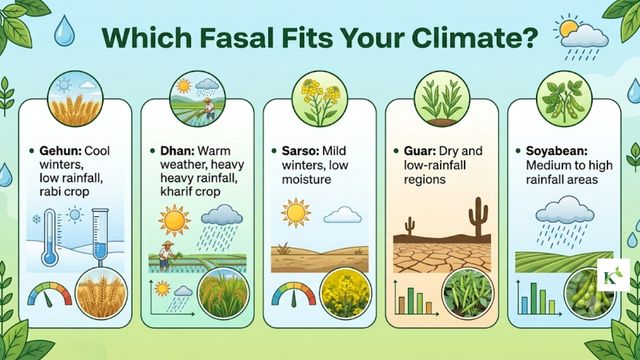
Different crops need different weather conditions. Gehun, dhan, sarso, and makka all grow best in different climates.
-
Uneven rainfall or sudden heat can reduce yield, delay sowing, or increase disease pressure.
-
Matching your crop to your local weather conditions lowers farming risk.
-
Simple planning using weather forecasts can help protect both fasal and income.
 Table of Contents
Does Your Zameen’s Climate Decide Your Income?
The weather and climate of your area decide what crop can grow well, how healthy it stays, and what yield you may get at harvest.
If rainfall comes late, temperatures rise too early, or winter stays shorter than usual, your fasal can suffer.
This is where the climate impact on farming becomes important.
A kisaan who understands local weather farming effects can make better sowing decisions and reduce risk before mandi prices even come into the picture.
How Temperature Affects Crop Growth
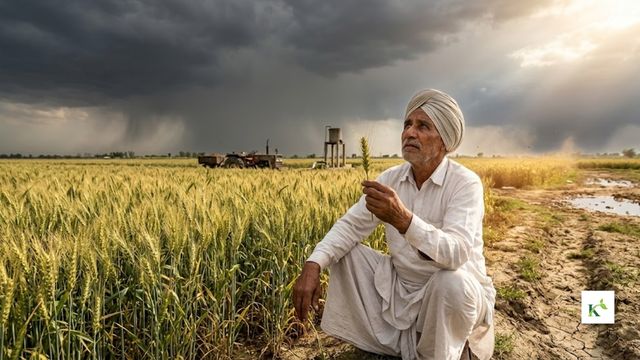
Every crop grows best within a certain temperature range.
If temperatures stay within that range, the plant grows normally.
If temperatures go too high or too low, growth slows and yields can fall.
Here is how common crops respond:
In north India, many gehun farmers now face early heat in February and March.
This shortens the grain-filling period and can affect production.
Even small temperature changes at important growth stages can affect your final yield.
How Rainfall Affects Farming in India
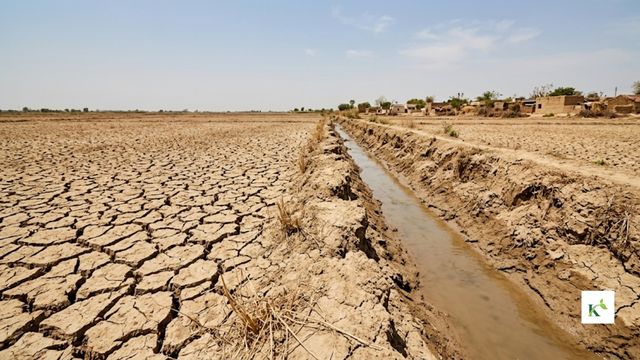
In India, rainfall often decides when crops are sown and how well they grow.
For example:
-
If the monsoon arrives late, sowing can get delayed.
-
If too much rain falls in a short time, waterlogging can damage roots.
-
If there is a long dry spell after sowing, seeds may not germinate properly.
More than half of India’s farmland still depends on rainfall. That means many kisaans rely heavily on monsoon performance.
Some examples:
-
Dhan needs regular water during early growth.
-
Chana does not handle excess moisture well.
-
Cotton can suffer if heavy rain falls after germination.
This is why tracking rainfall before sowing is important.
Why Seasonal Climate Agriculture Matters
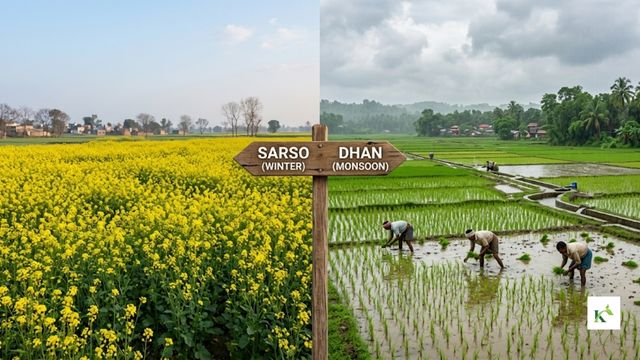
Indian farming mainly works around two crop seasons.
Kharif Season (June to October): Kharif crops are sown during the monsoon.
They usually need:
- Warm weather
- Good rainfall
- High soil moisture
Main kharif crops:
-
Dhan
-
Makka
-
Soyabean
-
Cotton
-
Arhar
-
Guar
Rabi Season (October to March): Rabi crops grow in winter.
They usually need:
- Cooler temperatures
- Less rainfall
- Good irrigation support
Main rabi crops:
-
Gehun
-
Sarso
-
Chana
-
Jou
-
Dhaniya
A crop that suits your local weather will usually perform better than one that does not.
How to Match Crop Choice to Your Local Climate
Before sowing, every kisaan should check these three things:
1. Rainfall Pattern
Ask:
-
Does your area get heavy rain?
-
Medium rain?
-
Low rain?
Example:
-
Low rainfall for guar, bajra
-
Medium rainfall for sarso, chana
-
High rainfall for dhan
2. Winter Strength
Does your area get a strong cold or a mild winter?
Cool winters help:
-
Gehun
-
Sarso
-
Chana
Warm winters may affect these crops.
3. Water Availability
Do you depend on:
-
Rainfall?
-
Canal?
-
Tubewell?
If water is uncertain, choose drought-tolerant varieties.
Simple Agriculture Climate Planning Tips for Farmers
Good agriculture climate planning does not need a big investment.
Simple steps:
Check IMD Weather Forecasts: Before sowing, check the district weather.
This helps plan:
-
Sowing
-
Irrigation
-
Spraying
Use Suitable Crop Varieties: Choose varieties suited for your area. Many heat-tolerant and drought-tolerant options are now available.
Stagger Sowing: Do not sow everything on one day. This reduces risk if the weather changes suddenly.
Improve Soil Health: Organic matter improves water holding. This helps in both dry and wet conditions.
Avoid Single Crop Dependency: Growing more than one crop reduces income risk. If one crop suffers, the other may support you.
Final Thoughts
Weather cannot be controlled, but farming decisions can.
Understanding the climate impact on farming helps kisaans choose better crops, better sowing dates, and better varieties for their zameen.
A good crop matched to the right weather often performs better than a high-yield variety planted in the wrong conditions.
Before your next sowing season, keep checking KhetiKisaan for weather updates, crop guides, and mandi bhav so you can make better decisions in the field.