





Isabgol: Complete Guide to India's Most Valuable Medicinal Crop
 Sep 08, 2026
 by Pankaj Sihag



Isabgol: Complete Guide to India's Most Valuable Medicinal Crop
| Botanical name | Plantago ovata |
|---|---|
| Crop type | Rabi medicinal crop |
| Top growing states | Rajasthan, Gujarat |
| India's global share | ~85% of world psyllium husk supply |
| Main uses | Digestive health, cholesterol management, pharmaceutical ingredient |
| Common forms | Psyllium husk powder, capsules, whole seeds |
| Key local names | Isabgol, Ispaghula, Sat Isabgol |
Isabgol is at once one of India's most profitable rabi crops and one of its most widely trusted household remedies for digestive health. That rare double identity is what makes it worth understanding from every angle. Whether you are a kisaan in Rajasthan deciding what to sow this November, or a consumer standing in a medical store wondering which pack to pick, the same crop is at the centre of your decision.
India produces roughly 85% of the world's psyllium husk supply, and the bulk of that comes from the sandy fields of Rajasthan and Gujarat. This near-monopoly has real consequences: it keeps Indian farmers in a strong export-driven market and supplies pharmaceutical companies across the USA, Europe, and Japan with a legally recognised cholesterol-lowering ingredient. That is an unusual position for any single crop to hold.
This guide covers the full picture: cultivation and costs, clinically verified health benefits, safe dosage and administration, known risks and drug interactions, how leading Indian brands compare, and where to track today's isabgol mandi bhav. Farmers who already use KhetiKisaan for daily mandi rates will find the cultivation and market sections particularly useful; consumers will find the health, dosage, and brand sections immediately actionable.
 Table of Contents
- What makes isabgol India's most valuable medicinal crop
- Where and how isabgol is cultivated in India
- Clinically proven health benefits of psyllium husk
- Isabgol dosage: how much to take and when
- Side effects, drug interactions and who should avoid isabgol
- Choosing the best isabgol product in India
- Isabgol mandi prices, export demand and what farmers should know
- What every farmer and consumer should know about isabgol
- FAQs
What makes isabgol India's most valuable medicinal crop
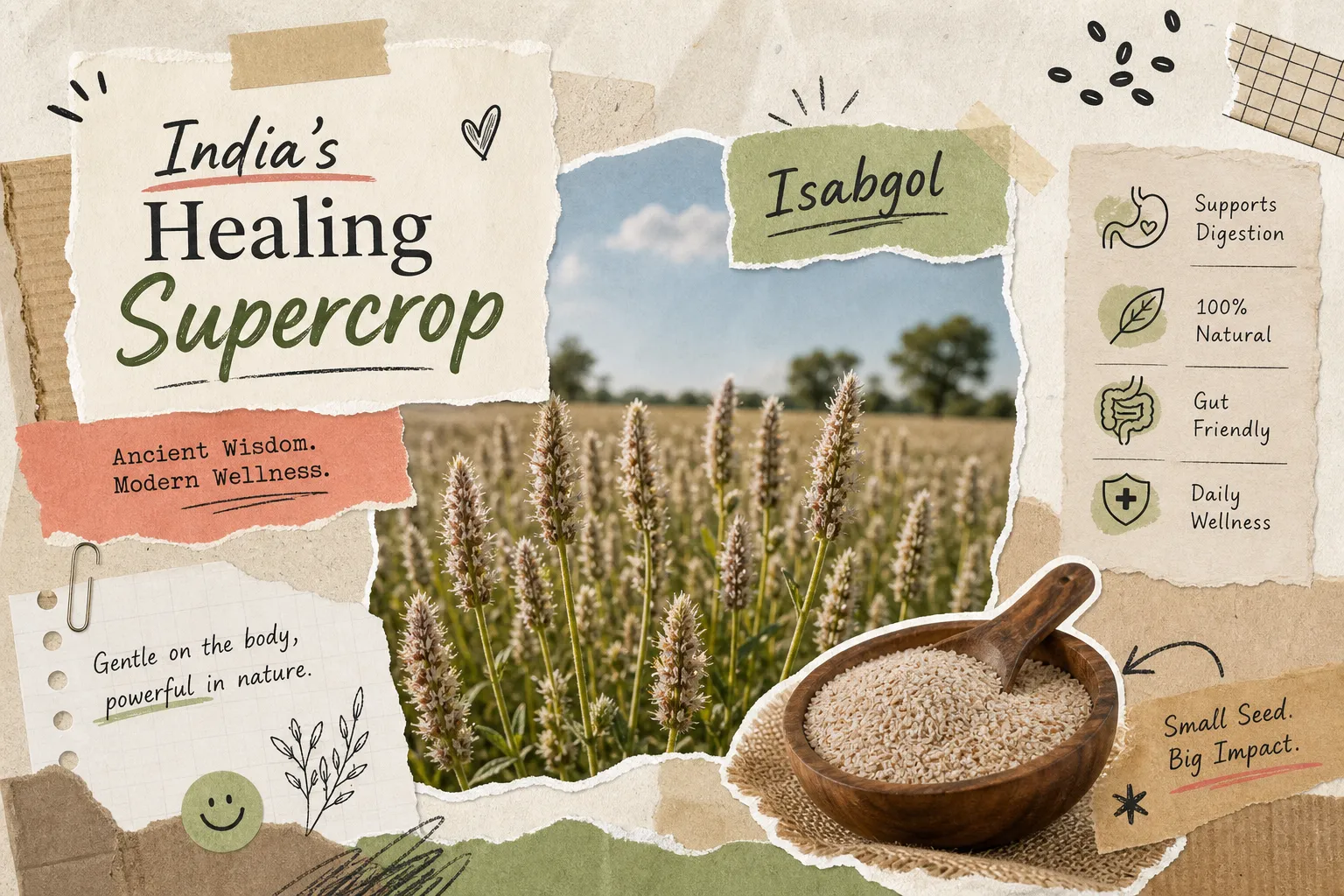
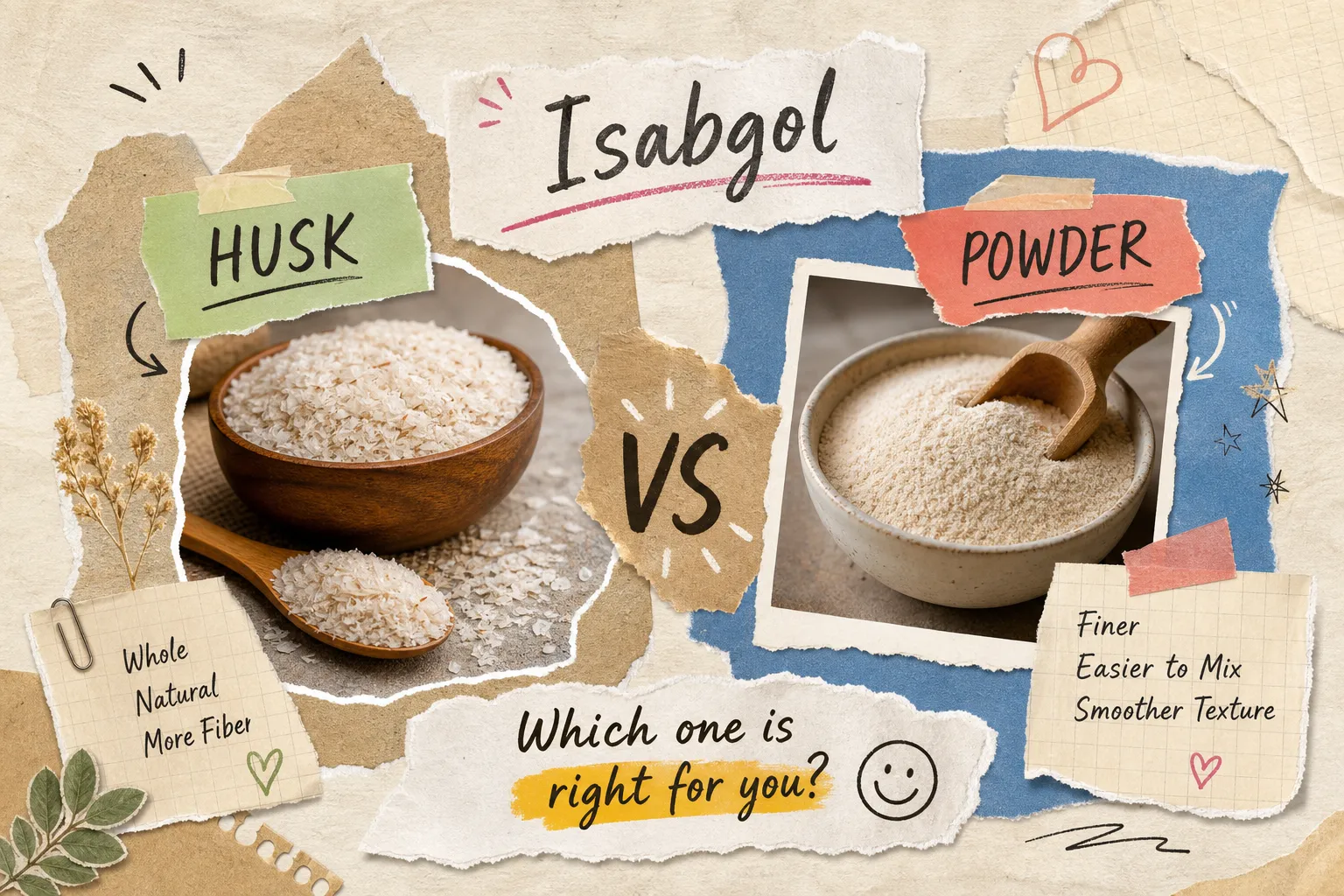
Isabgol comes from Plantago ovata, a small annual herb that produces tiny seeds with a pale, papery outer coat. That outer coat is the husk, and the husk is the part with all the medicinal and industrial value. When you see "isabgol powder" in a medical store or "psyllium husk" on a supplement label, you are looking at the same thing. Ispaghula, ispaghula husk, psyllium husk, and isabgol are all names for the same product from the same plant. The terminology confusion exists mainly because the crop travels from Indian farms to international markets, picking up different regional names along the way.
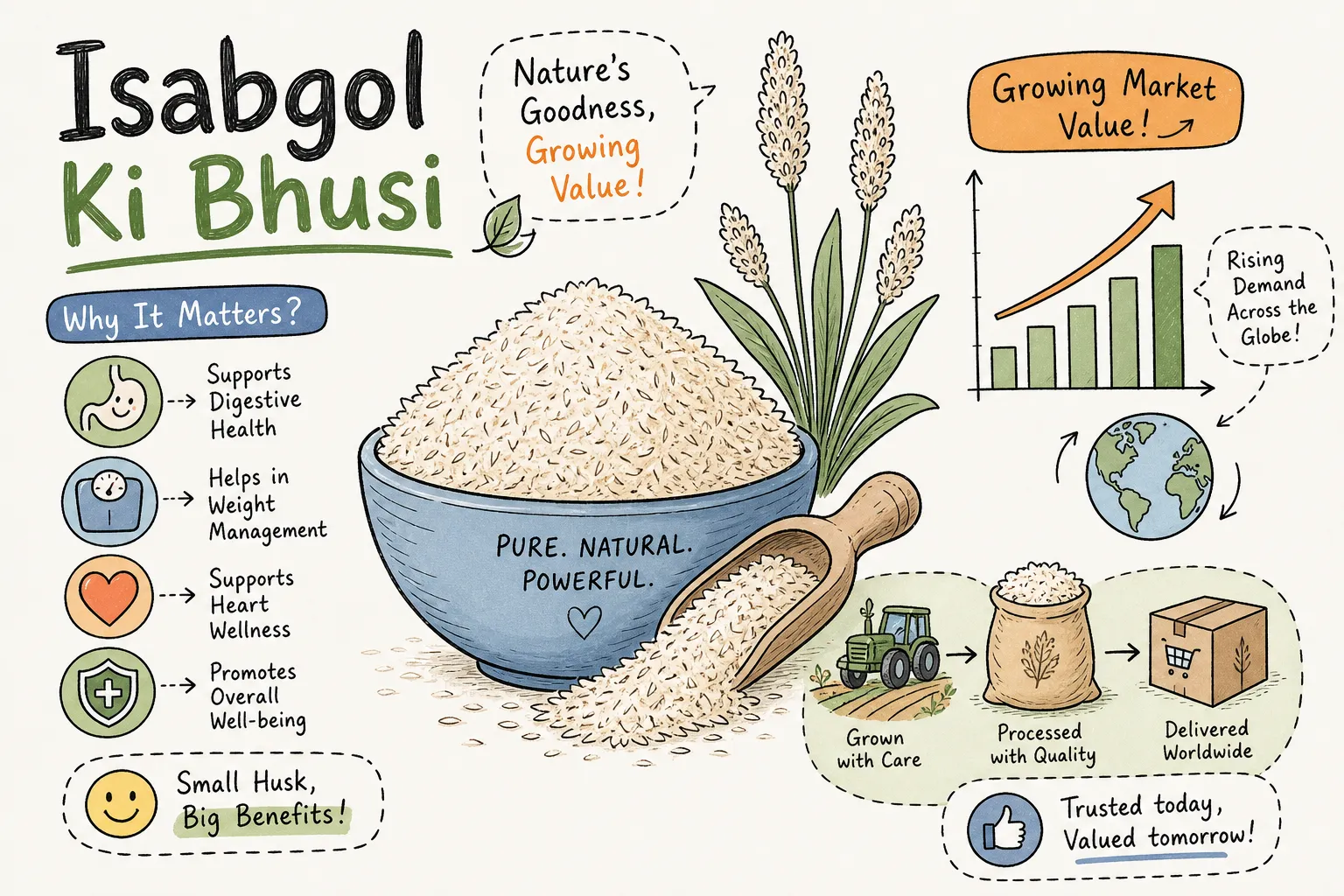
The husk is rich in a type of soluble dietary fibre called mucilage. When mucilage contacts water, it swells and forms a thick gel. That gel is responsible for every major health benefit attributed to psyllium husk, from relieving constipation to lowering LDL cholesterol. The seeds themselves are sometimes sold separately, but they have far less mucilage content than the pure husk and are less effective for therapeutic use.
Why India holds a near-monopoly on global psyllium production
India supplies approximately 85% of the world's psyllium husk, with Rajasthan contributing the largest share. The districts of Jalore, Barmer, and Pali in Rajasthan, along with Mehsana and Banaskantha in Gujarat, account for the bulk of national production. The dry, light, well-drained sandy loam soils of these regions suit the crop perfectly. Psyllium needs mild winters with low humidity, minimal rainfall after sowing, and absolutely no waterlogging. The Rajasthan climate delivers all three conditions more reliably than almost anywhere else in the world.
When Indian psyllium farmers face a poor monsoon or a disease outbreak, global pharmaceutical supply chains feel it within months. That dynamic means Indian farmers carry real weight in this market, provided they track mandi rates closely and sell at the right time rather than rushing to the APMC yard the day after harvest.
Where and how isabgol is cultivated in India
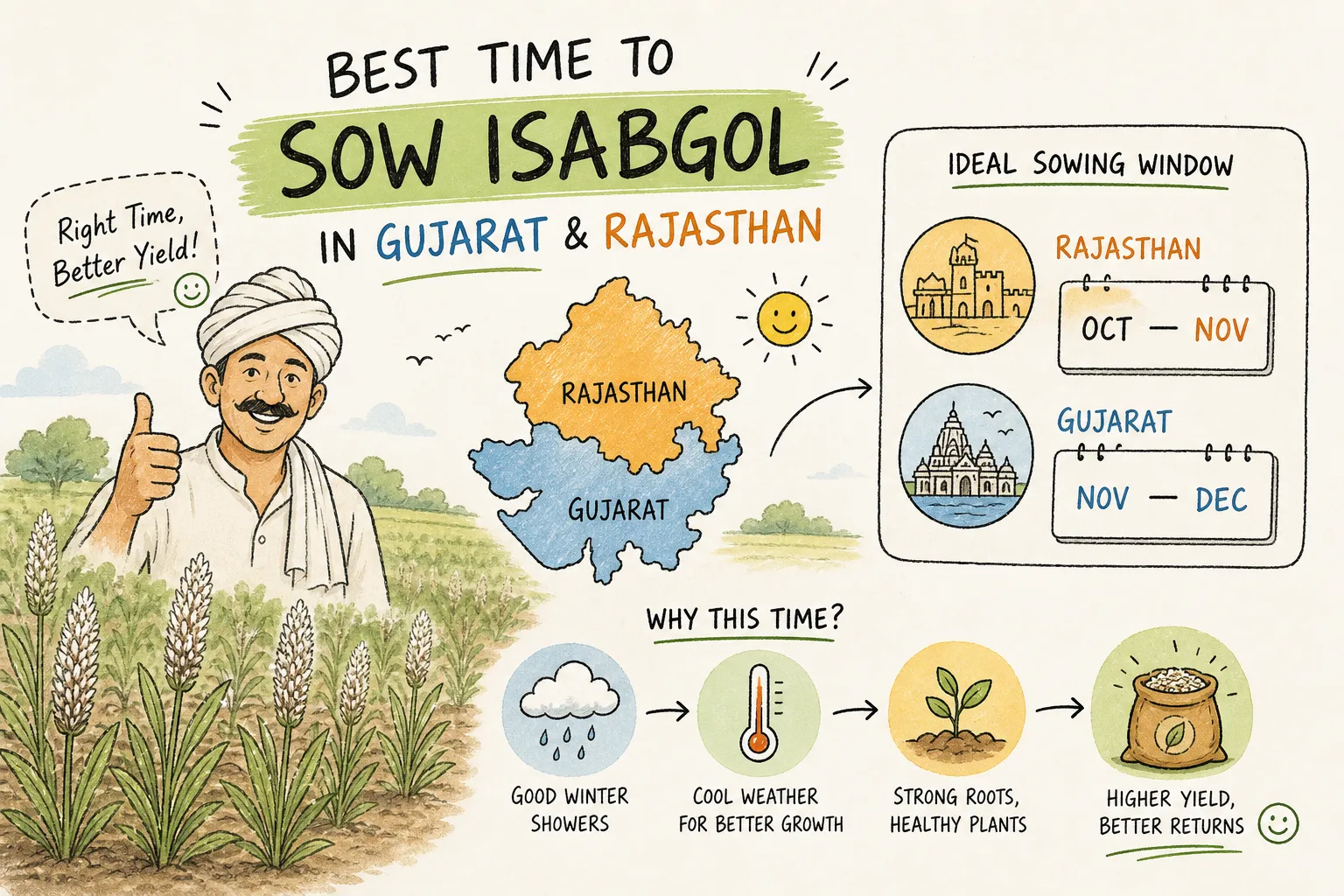
Isabgol ki kheti demands specific conditions, and getting them right determines whether a farmer makes a good profit or a thin one. The crop thrives in light, sandy loam soil with good drainage and low organic matter. Heavy clay or moisture-retentive soils cause root rot and destroy yield. Sowing happens during the rabi season, ideally in the first week of November. Sowing too early increases the risk of downy mildew infection; sowing too late shortens the winter growth period and can cause seed shattering at harvest time.
The crop needs mild winter conditions, cool days, low humidity, and limited rainfall after establishment. It does not handle waterlogging at any stage, and heavy irrigation after sowing is one of the fastest ways to damage a stand. A light pre-sowing irrigation followed by minimal supplemental watering is the standard approach. Harvest happens around March to April, when the crop turns golden and before strong winds cause seed loss. The recommended varieties for Rajasthan are RI-89 and GI-2, both of which have shown mean seed yields above 13 q/ha in state trials. For Gujarat, GI-1 and GI-2 are the most widely planted commercial varieties.
Yield potential, input cost and net munafa per acre
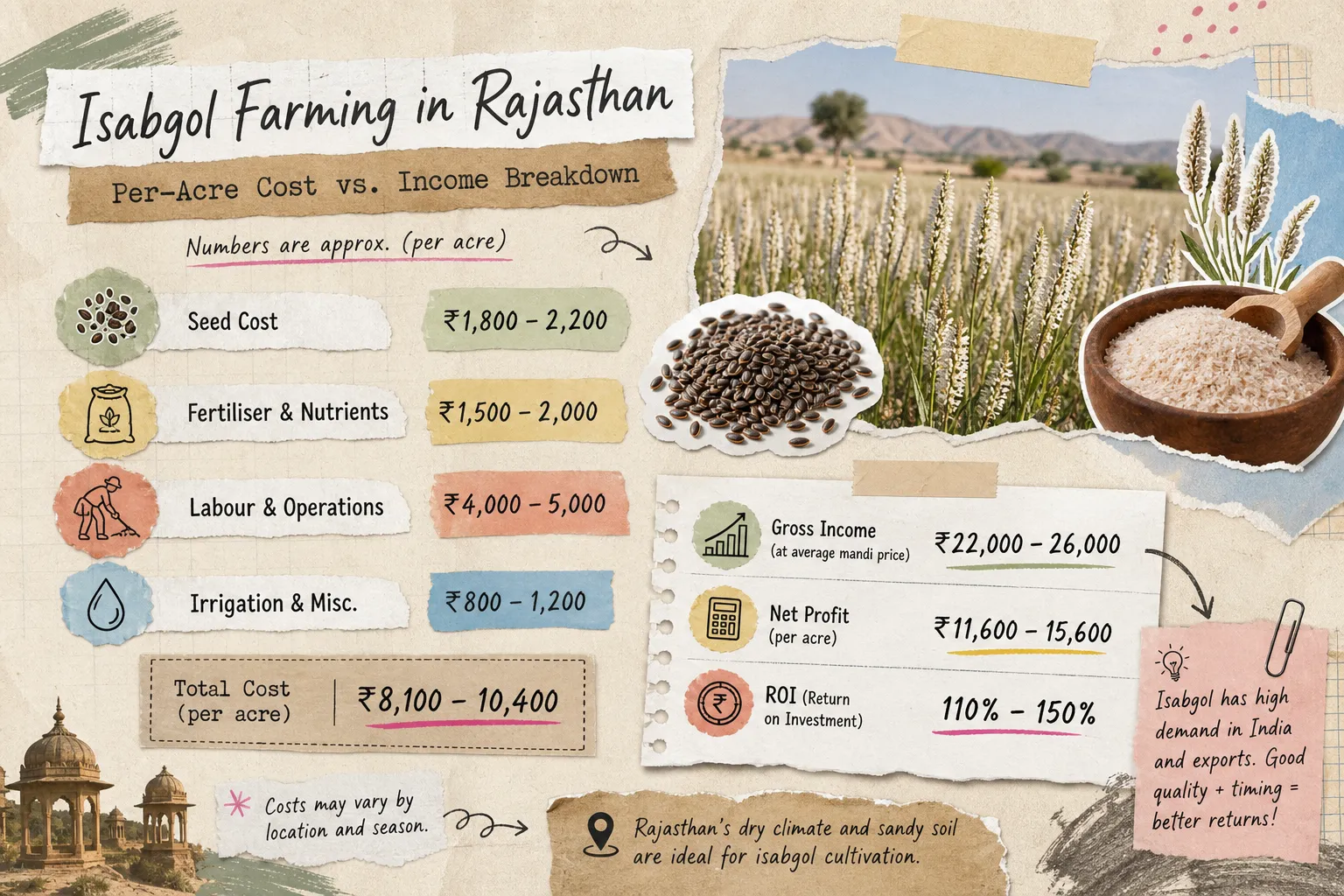
A realistic yield in Rajasthan ranges from 214 kg per acre at the state average productivity level to 324, 405 kg per acre under good agronomic management. Based on current mandi prices in the range of ₹9,500 to ₹11,763 per quintal in Rajasthan APMC markets, the gross income potential is substantial. Project data for Rajasthan cultivation shows a net munafa (profit) of approximately ₹24,965 per acre after accounting for input costs of around ₹15,460 per acre covering seeds, fertiliser, and labour.
Compared with wheat or jeera in the same rabi season, isabgol offers a better risk-adjusted return in the sandy districts of Rajasthan, primarily because export demand provides a firm price floor. The crop also has relatively low input requirements, since it does not respond well to heavy fertilisation and needs minimal irrigation. The main risk factors are disease pressure from downy mildew and the timing of the sale, which is why daily mandi bhav tracking matters as much as agronomic management.
Clinically proven health benefits of psyllium husk
How psyllium husk relieves constipation without harsh laxatives
Isabgol is a bulk-forming laxative, which means it works through a completely different mechanism than stimulant laxatives. When you mix the husk powder in water and drink it, the mucilage absorbs water in the gut and forms a thick, slippery gel. This gel increases stool bulk, raises the water content of stool, and softens the entire mass so it passes with less straining. The larger, moister stool stretches the intestinal wall naturally, triggering peristalsis, the coordinated muscular contractions that move stool forward. The process is physiological and gentle; psyllium husk works with the body's own system rather than forcing it.
A stimulant laxative, by contrast, chemically irritates the bowel wall to force a contraction. Long-term use of stimulant laxatives can reduce the bowel's natural motility. Isabgol carries no such risk. Part of the husk is also fermented by gut bacteria, producing short-chain fatty acids that support the intestinal lining. For chronic constipation, it is widely used and commonly recommended as a dietary intervention by gastroenterologists and family physicians across India.
What clinical trials say about cholesterol, blood glucose and weight
The evidence for cholesterol reduction is the strongest and most consistent in psyllium husk research. A long-term randomised trial found that 10.2 g per day of psyllium husk reduced total cholesterol by 4.7% and LDL cholesterol by 6.7% compared to placebo over 24 to 26 weeks. A meta-analysis of 28 controlled studies reported that approximately 10 g per day lowered LDL cholesterol by around 0.33 mmol/L, equivalent to roughly 13 mg/dL. Health Canada's formal assessment concluded that 7 g or more per day of psyllium soluble fibre, alongside a diet low in saturated fat, produces a clinically meaningful LDL reduction. In the United States, psyllium husk carries FDA-qualified health claims for reducing the risk of heart disease, a regulatory recognition that directly supports sustained export demand for Indian-grown isabgol.
For blood glucose control, the gel formed by psyllium husk slows carbohydrate absorption and reduces post-meal glucose spikes, which is useful as part of a low-GI dietary pattern. The magnitude of the blood glucose benefit is smaller and less consistent than the cholesterol effect, however. Weight management evidence is mixed; the gel-forming fibre does promote a sense of fullness, but isabgol should not be framed as a weight-loss supplement. Dietary and lifestyle changes carry far more evidence behind them than any single fibre supplement where weight management is the primary goal.
Isabgol dosage: how much to take and when
Recommended doses for adults, elderly and children
The standard adult dose of psyllium husk powder is one rounded teaspoon, approximately 7 grams, mixed in 240 ml of water, taken up to three times daily. Start with a single dose per day and increase gradually over one to two weeks. This gradual approach significantly reduces the gas and bloating that many people experience in the first few days. For children aged 12 and above, adult dosing applies. Younger children should follow a paediatrician's guidance, as there is no single verified universal dose for all ages below 12.
| Age group | Dose | Frequency | Key caution |
|---|---|---|---|
| Adults (18+) | ~7 g (1 rounded tsp) in 240 ml water | 1 to 3 times daily | Start with 1 dose/day; increase gradually |
| Elderly (65+) | Same as adult dose | 1 to 3 times daily | Extra attention to hydration; increase slowly |
| Children (12 to 17) | Same as adult dose | As directed by a doctor | Always supervise fluid intake |
| Children (below 12) | Consult paediatrician | As directed | Do not self-dose |
The right way to mix, drink and time your dose
Never dry-swallow isabgol husk. This is the most important safety rule. Always mix the powder in at least one full glass of water (240 ml) and drink it immediately before the gel thickens too much to swallow comfortably. If you are using capsule form, swallow one capsule at a time with a complete glass of water. Taking it with too little fluid is the primary cause of choking and oesophageal blockage, both of which are serious complications.
When timing your doses, space any prescription medicine by at least two hours from an isabgol dose, as the gel can slow the absorption of other medicines in the gut. For constipation, consistent daily use for at least four weeks is needed before judging whether it is working. Many people expect results within a day or two and give up too soon. The fibre benefits build up with regular use, and the cholesterol-lowering effect requires consistent intake over several weeks.
Side effects, drug interactions and who should avoid isabgol
Common complaints and the rare serious risks to know
Gas, bloating, abdominal fullness, and mild cramps are the most common side effects, and they affect mainly first-time users in the first week. As the digestive system adjusts to higher fibre intake, these symptoms almost always settle on their own. Mild nausea and loose stools are also reported occasionally. None of these common effects require stopping; they are a sign that the gut is responding to the change in fibre load.
Serious risks are rare but need to be taken seriously. Choking, oesophageal blockage, and intestinal obstruction are the three most dangerous complications, and they almost always occur when the husk is taken without enough water. Stop immediately and seek medical attention if you experience severe chest pain, difficulty swallowing, persistent vomiting, inability to pass stool or gas for more than two days, or any rectal bleeding. Allergic reactions, including hives, swelling, and difficulty breathing, are rare but possible.
Contraindications, pregnancy safety and which medicines need spacing
People with swallowing difficulties, a history of oesophageal narrowing, or a prior intestinal obstruction should avoid isabgol or use it only under medical supervision. Anyone who cannot reliably take it with a full glass of water, including elderly patients with dysphagia, falls into the same high-caution category. For drug interactions, the gel can reduce the absorption of digoxin, lithium, and certain antidepressants. Space any prescription medicine by at least two hours from each dose. If you take multiple prescription medicines, confirm timing with your doctor or pharmacist before starting regularly.
Isabgol is generally considered safe during pregnancy and breastfeeding. It is a commonly recommended remedy for pregnancy-related constipation because it works without systemic absorption. The non-negotiable condition remains adequate fluid intake: a pregnant or breastfeeding woman taking isabgol must drink enough water, as dehydration amplifies every risk associated with this fibre. If other medicines are involved, a doctor's confirmation is always the right step.
Choosing the best isabgol product in India
Among widely available branded psyllium husk products in India, Baidyanath, Organic India, and Dabur are the names consumers encounter most frequently. Based on available product data, Baidyanath carries strong verified consumer ratings and competitive pricing, while Organic India stands out for its declared dietary fibre content per 100 g.
| Brand | Price per 100 g (approx.) | Key claim | Platform rating |
|---|---|---|---|
| Baidyanath Isabgol | ₹165 to ₹200 | 99% pure husk; gluten-free; rich source of dietary fibre | 4.5/5 (4,244 ratings on Flipkart) |
| Organic India Sat Isabgol | ₹189 to ₹247 | 78.2 g dietary fibre per 100 g; whole husk powder | 4.4/5 (222 ratings on 1mg) |
| Dabur Isabgol | Varies by pack | Digestive health; widely available at chemists | Verified data not available at time of writing |
Note that Baidyanath's own website shows a higher rating based on only four reviews; the Flipkart figure of 4.5/5 from 4,244 ratings is a far more reliable signal of real consumer experience. The "99% pure" label on Baidyanath's packaging is a manufacturer claim, not an independent lab verification. Treat purity claims as a starting point, not a guarantee.
What to check on the label before you buy isabgol powder, and where to buy it safely
Three things matter most when reading a psyllium husk label. First, check the husk percentage: 85% or above is a widely cited baseline, and products claiming 95, 99% pure husk generally offer better therapeutic effect per gram, though specific thresholds vary by manufacturer. Second, check the ingredients list for artificial additives, flavourings, or sweeteners. Pure husk should have exactly one ingredient. Third, look for FSSAI approval as a minimum quality marker. FSSAI registration does not guarantee lab-verified purity, but it confirms the product meets basic food safety standards.
For anyone looking to buy isabgol online, reputable platforms such as pharmacy-licensed e-commerce sites and established health retailers are safer options than unknown sellers, where adulterated or diluted products are a real risk. When comparing options online, look for sellers who display the FSSAI licence number prominently and offer products from established brands. Buying from a licensed medical store remains the most reliable option for therapeutic use.
Isabgol mandi prices, export demand and what farmers should know
Why global demand for Indian psyllium husk keeps growing
India exports approximately 50,000 to 55,000 metric tonnes of isabgol annually. Export value was approximately US$330 million in FY 2024, 25, though figures may have been revised since publication. The United States is the single largest importer, followed by Bangladesh and Germany. This demand is structural, not cyclical. In the United States, psyllium husk carries FDA-qualified health claims for reducing the risk of heart disease when consumed as part of a diet low in saturated fat. That regulatory recognition means pharmaceutical companies, supplement brands, and food manufacturers in the US have a legal incentive to keep buying Indian psyllium husk every year, regardless of domestic market fluctuations.
For isabgol farmers, the factors that most affect the price received at the mandi are crop quality, moisture content at delivery, and whether the buyer is a domestic dal mill or an export-focused processor. Export-quality husk commands a premium, and that premium depends on it being clean, dry, and free from impurities. Farmers who invest in proper post-harvest drying and cleaning consistently fetch better prices than those who rush a damp crop to the mandi.
Tracking isabgol mandi bhav and farming guides on KhetiKisaan
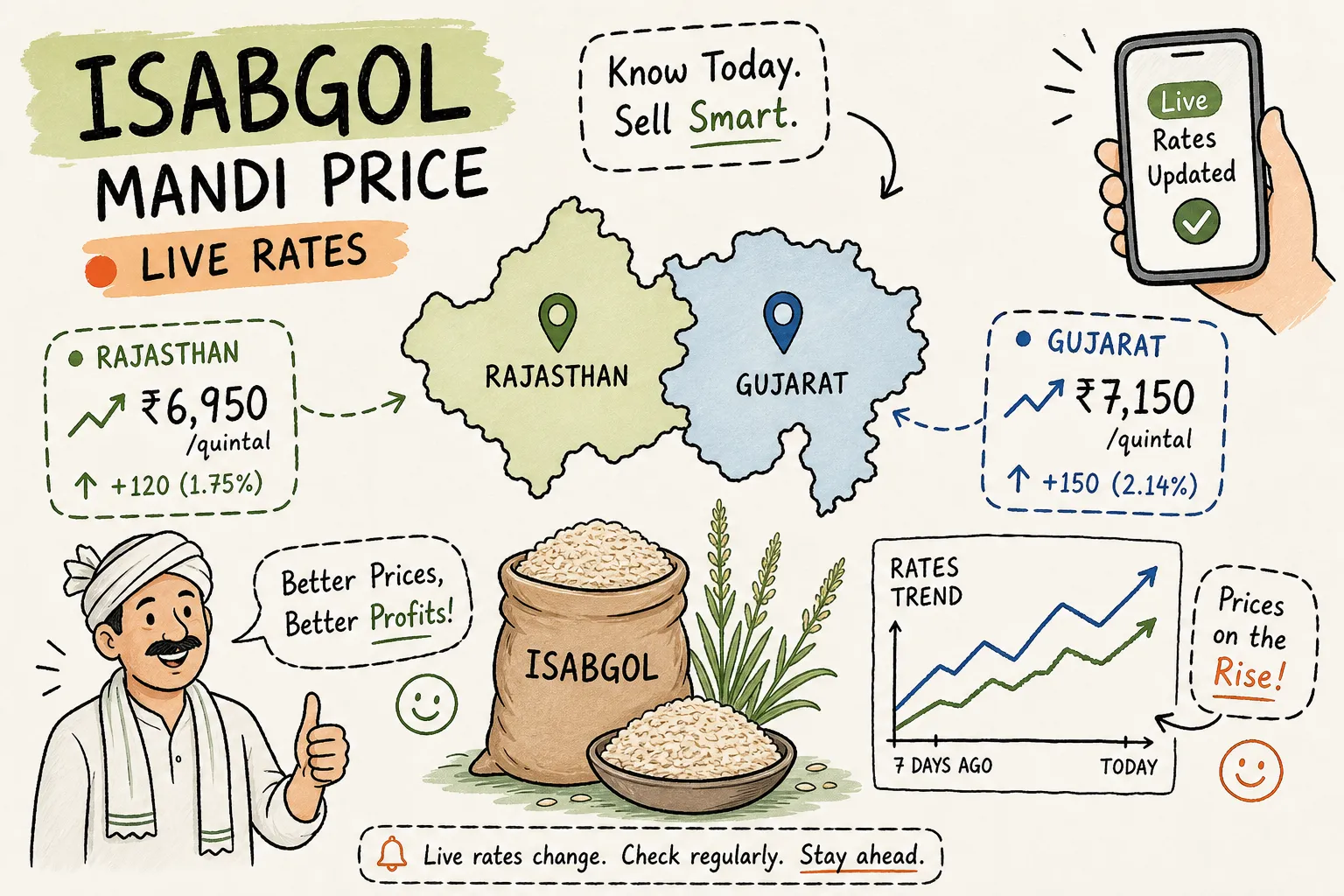
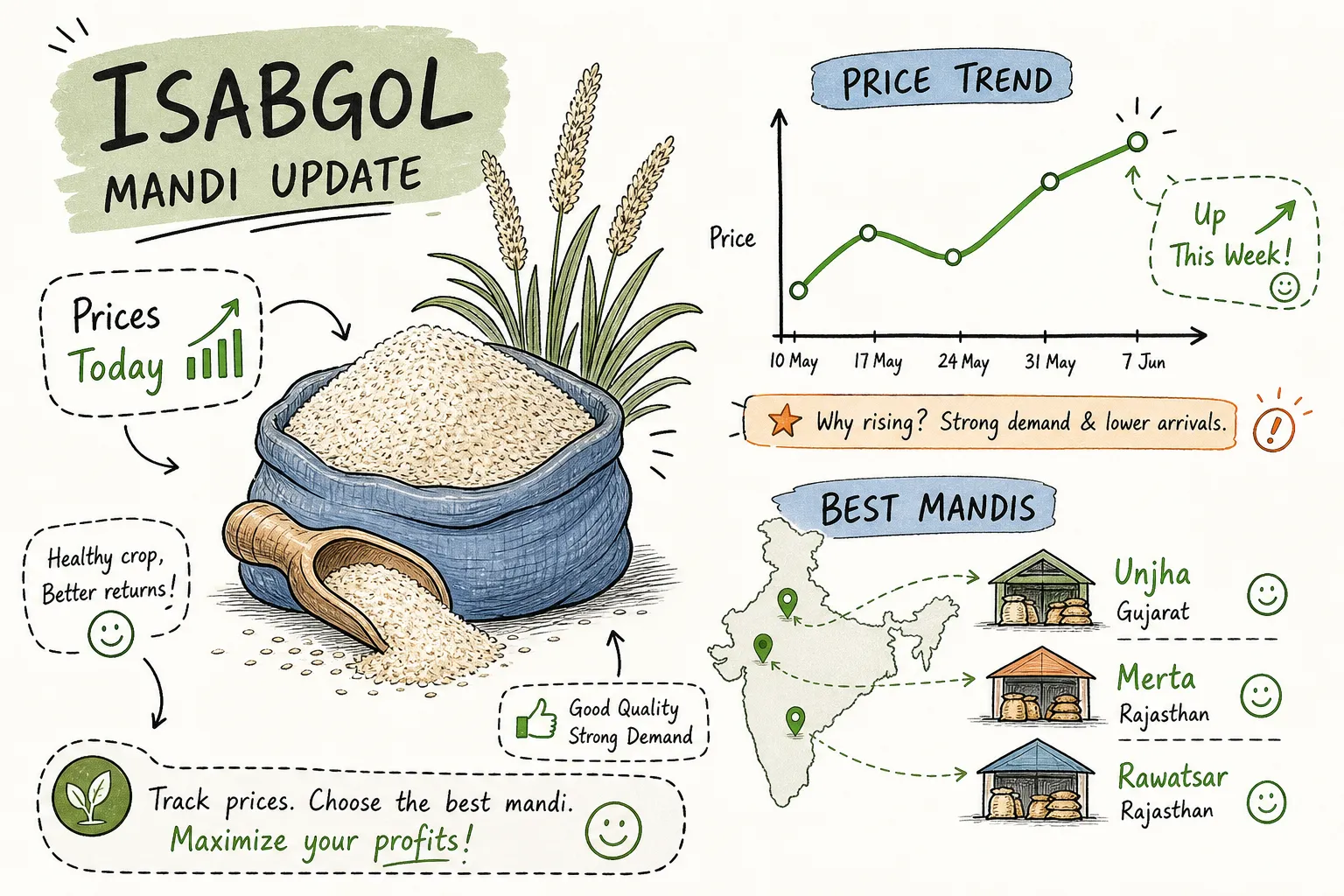
Current isabgol mandi rates in Rajasthan range from approximately ₹9,500 per quintal in Jodhpur district markets to ₹11,705 per quintal at Nohar and a state average of around ₹11,763 per quintal. Some mandis have recorded highs near ₹13,930 per quintal for premium-grade husk. These figures change daily based on arrivals, buyer demand, and export orders. A kisaan who knows today's mandi rate before loading the tractor has a real negotiating advantage at the APMC yard.
KhetiKisaan reports live isabgol mandi bhav from APMC auction yards across Rajasthan and Gujarat. These are not delayed government-feed averages; they reflect actual transaction prices from live auctions. Beyond price tracking, KhetiKisaan's crop guide section covers isabgol cultivation in farmer-friendly language, variety selection, sowing windows, disease management, and government scheme information relevant to Rajasthan and Gujarat growers. If you are planning to sow this November or are currently holding stock and watching the market, check KhetiKisaan regularly for updated rates and guides.
What every farmer and consumer should know about isabgol
Isabgol holds a unique position in Indian agriculture and in everyday health: it is simultaneously a farmer's high-income rabi fasal and a clinically validated dietary fibre with decades of evidence behind it. India's near-monopoly on global psyllium husk supply gives Indian farmers genuine market weight, and export-linked demand provides a dependable price floor that few other rabi crops can match. For consumers, the evidence is clear: isabgol is one of the most effective and well-tolerated bulk-forming fibre supplements available in Indian medical stores today.
If you are a consumer starting isabgol for the first time, begin with one dose per day in a full glass of water and increase gradually over two weeks. Never take it dry or with less than 240 ml of liquid. If you are a kisaan planning your rabi sowing this November, choose RI-89 or GI-2 for Rajasthan conditions and target the first week of November for sowing. And whether you are a farmer tracking the mandi or a consumer choosing a brand, having the right information at the right time is what separates a good decision from a poor one.
Farmer readers can visit KhetiKisaan for daily isabgol mandi bhav updates from live APMC auctions across Rajasthan and Gujarat, along with detailed cultivation guides and government scheme information. Consumer readers now have everything needed to choose a quality product, use it safely, and set realistic expectations for results.
FAQs
Related Blogs
Oct 08, 2026
by Pankaj Sihag
Sep 23, 2026
by Pankaj Sihag
Sep 19, 2026
by Pankaj Sihag

Sep 09, 2026
by Pankaj Sihag
Sep 08, 2026
by Pankaj Sihag